420 years ago, in 1603 (Keicho 8),
Nijo-jo Castle, built in Kyoto by Tokugawa Ieyasu,
has witnessed major turning points in Japanese history.
In 1626 (Kanei 3), Emperor Go-Mizuno-o visited Nijo-jo Castle.
In 1867 (Keio 3), Tokugawa Yoshinobu declared the restoration of power to the Emperor.
In 1915 (Taisho 4), Daikyo (Grand Banquets) were held for the gotairei (ceremonies marking the enthronement of Emperor Taisho).
Reenact these three epoch-making events in the present day as “living history”.
Experience them at the very place where they happened.
Experiencing the history and creating the future of Nijo-jo Castle
Emperor Go-Mizuno-o’s visit in the Kanei era, Tokugawa Yoshinobu’s declaration of the restoration of power to the Emperor, and the Grand Banquets held for the ceremonies marking the enthronement of Emperor Taisho.
In order to convey these three epoch-making events at Nijo-jo Castle to visitors today as “living history,” the Committee for Living History in Kyoto, Nijo-jo Castle spent three years researching the historical background and has developed an experiential program.
Its significance goes beyond just understanding the history and culture, as it allows us to experience the events that brought about major changes in Japanese history at the exact place they happened. This experience will be a major driving force enabling us to appreciate the value of Nijo-jo Castle inherited from our ancestors and connect it to the future.
Three histories we can experience with the “Living History in Kyoto, Nijo-jo Castle”
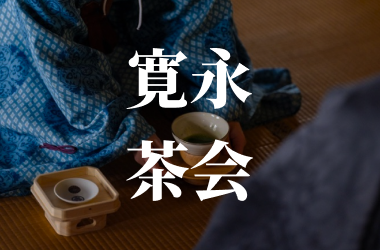
Kanei Tea Ceremony
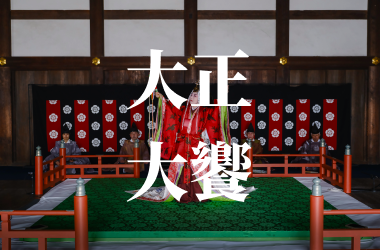
Taisho Daikyo (the Taisho Grand Banquets)
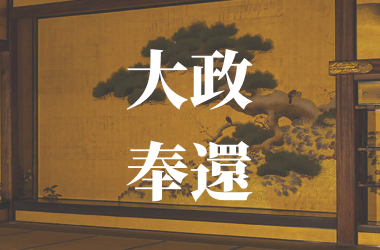
Taisei Hokan (Restoration of power to the Emperor)
Images and photographs: ARCHITECT TAITAN, Naoki Miyashita, Yasuo Kubota (BOW PLUS KYOTO), and others